How to cut and light a cigar properly
Cigario editorial · updated 1 October 2026
Two minutes of preparation decide the next hour. A good cut gives you an easy draw without unravelling the wrapper, and an even light starts a burn line that stays straight. Here is how to do both, and how to rescue a cigar when it goes wrong.
- Cut 2–3 mm, only the cap, and stay above the shoulder line.
- Use a sharp cutter and one quick motion.
- Check the cold draw before lighting.
- Toast first, then light, rotating the cigar the whole time.
- Use a clean flame: butane, cedar spill or wooden matches.
Where to cut
The head of a cigar is closed with the cap, a small piece of leaf glued over the end. Just below it is the shoulder, where the head starts to curve. Your goal is to open the cap while leaving the shoulder intact, because that is what keeps the wrapper in place.
Stay above the shoulder line, or the wrapper can unravel.
In practice that means removing about 2–3 mm, or roughly the thickness of a coin. Cut less rather than more: you can always take another thin slice, but you cannot glue the wrapper back on.
Three common cuts
Cutting step by step
Toast, then light
Lighting is two steps. First you toast the foot without drawing, so the tobacco warms evenly. Then you light it with gentle puffs. Rushing straight to puffing usually leaves one side unlit and starts a crooked burn.
Toast the edge first. Draw only once the whole foot glows evenly.
Which flame to use
Fixing an uneven burn
Common mistakes
- Keep your cutter sharp and clean.
- Cut less and take a second slice if needed.
- Toast the full edge before your first puff.
- Rotate the cigar whenever the flame is near it.
- Biting the cap off or using a kitchen knife.
- Cutting below the shoulder line.
- Pushing the foot into the flame and charring it.
- Relighting again and again in a few minutes.
Frequently asked questions
How much should I cut off a cigar?
About 2–3 mm, enough to open the cap but not past the shoulder line where the head starts to curve.
Which cutter is best for a beginner?
A double-blade guillotine. It works on almost every cigar and is easy to control.
Can I use a punch on a torpedo?
No. A punch needs a rounded head. Use a straight or V-cut on pointed heads.
Why does my cigar burn unevenly?
Most often an uneven light, wind, puffing too fast or too much humidity. Toast evenly, rotate the cigar and correct the slow side early.
Keep reading
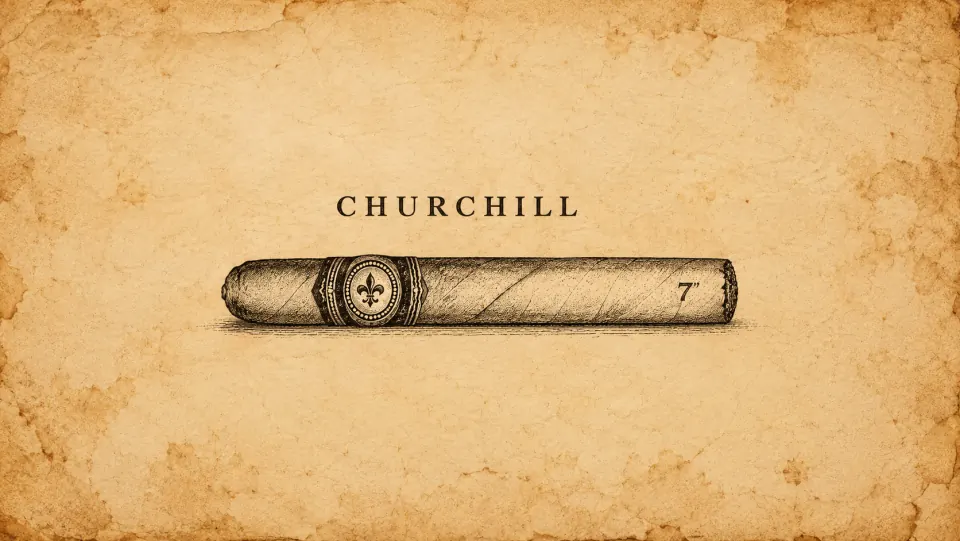 Basics · 4 min readHow to identify a cigar: read the band, size and wrapperWhat cigar is this? A practical way to identify any cigar from its band, size and wrapper, what to do when the…
 Industry · 5 min readWhere premium cigars come from: U.S. import data by country (2026)Nicaragua, the Dominican Republic and Honduras make almost every premium cigar sold in the United States. The…
 Buying · 7 min readHow to spot fake Cuban cigars: the complete checklistCounterfeit Cohibas, glass-top boxes, bogus Behikes and loose seals. How to check the box, the Habanos warranty…